
Agribusiness
Coffee
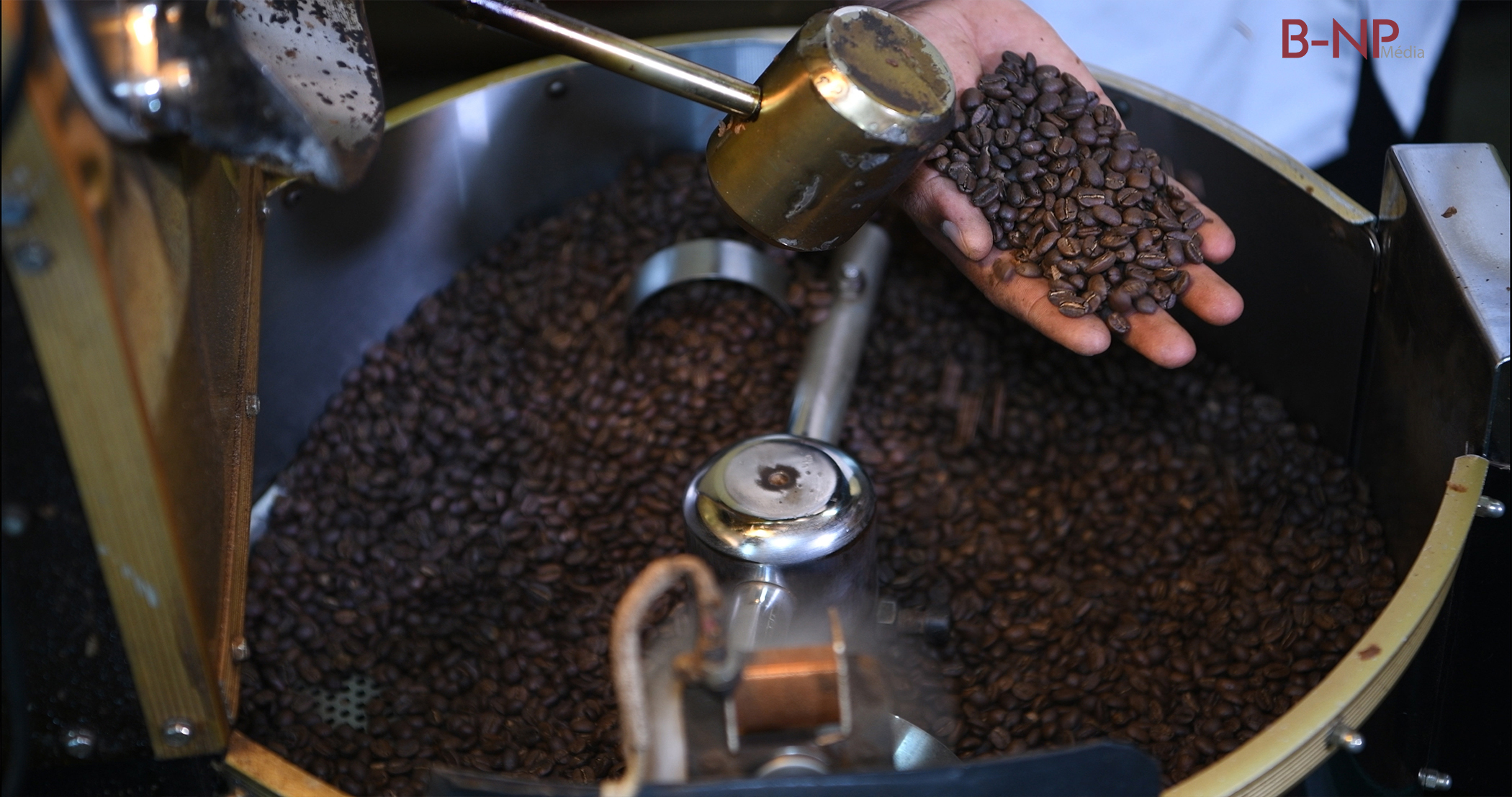
Burundian coffee is deeply loved and enjoyed to all parts of the world thanks to its quality and flavor. The country’s main source of foreign exchange (between 60 and 85 % of export earnings), it has been ranked the best by the Alliance for Coffee Excellence, in 2017.
However, the quantity produced by Burundi, each year, is too small to satisfy the international demand. Example: in 2020, it only collected 73,020 tons of cherry coffee. It exported 13,106 tons of the processed one, whereas the worldwide daily consumption is of 2.6 billion cups. Which is exactly 936 billion cups a year.
To take advantage of that demand, business operators can make important investments in this Great-Lakes of Africa nation, through the Special Economic Zone (ZES Burundi):
(1) It is possible for them to develop a large-scale coffee cultivation to considerably increase the quantity to export, as burundian coffee is well-known and reputed. In addition to 60,000 hectare already used for growing it, the government started to reclaim misused state lands. More than 3,000 hectare have already been targeted. They are to be reallocated in support of development projects. (2) Investors can establish coffee processing units in the zone.
Prominent coffee varieties in Burundi are Arabica and Robusta. Arabica is the most grown. More aromatic, its beans are fine and mild. Robusta has a bitter taste. The Arabica coffee plant prefers soils at altitude: ideally, between 500 and 2000 meters.
Burundi can also sell its coffee production regionally. Its direct neighboring countries, Rwanda (more than 12 million inhabitants), DRC (more than 80 million inhabitants) and Tanzania (more than 50 million inhabitants) constitute a large market. Moreover, the nation is member of many blocs. Economic Community of Great Lakes Countries (CEPGL), Economic Community of Central African States (ECCAS), Common Market for Eastern and Southern Africa (COMESA) and East African Community (EAC): more than 450 million consumers.
Burundi, a tea twinkling land
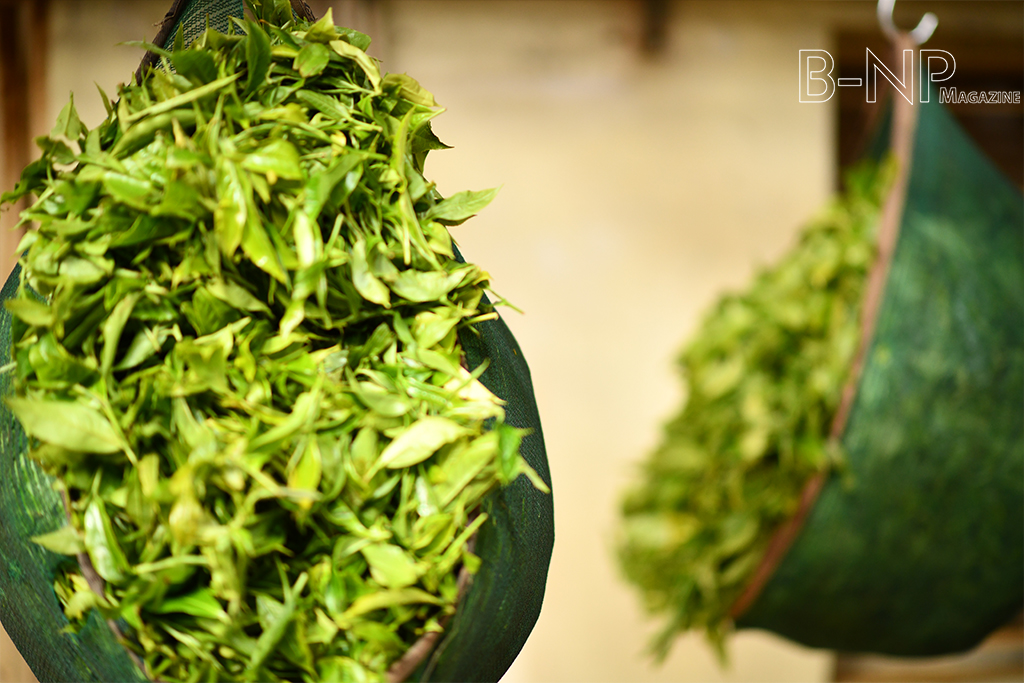
Burundi is blessed with a good tea flourishing land. The crop is grown on Nile-Congo ridge in Mugamba, Bututsi and Mirwa natural regions (1700-2500m), representing about 15 % of the country’s total area, 27.834 km2.
Tea production represents a great opportunity mainly for export. In 2019, out of 10,240 tons of sold dried tea, 8,699 were exported.
In 2020’s second term, Burundi exports were dominated by six local products: tea, wheat flour, cigars and cigarettes, coffee, beers and liquors. They represent 81.3 % of total exports and tea accounts alone 41.2 % of it.
The Burundi State has recovered 3,115 ha of its land that were illegally owned by individuals. The whole area will be distributed to groups of people or organizations with pertinent economic projects on agriculture.
So, investors are welcome.
Burundian cotton, a sleeping giant
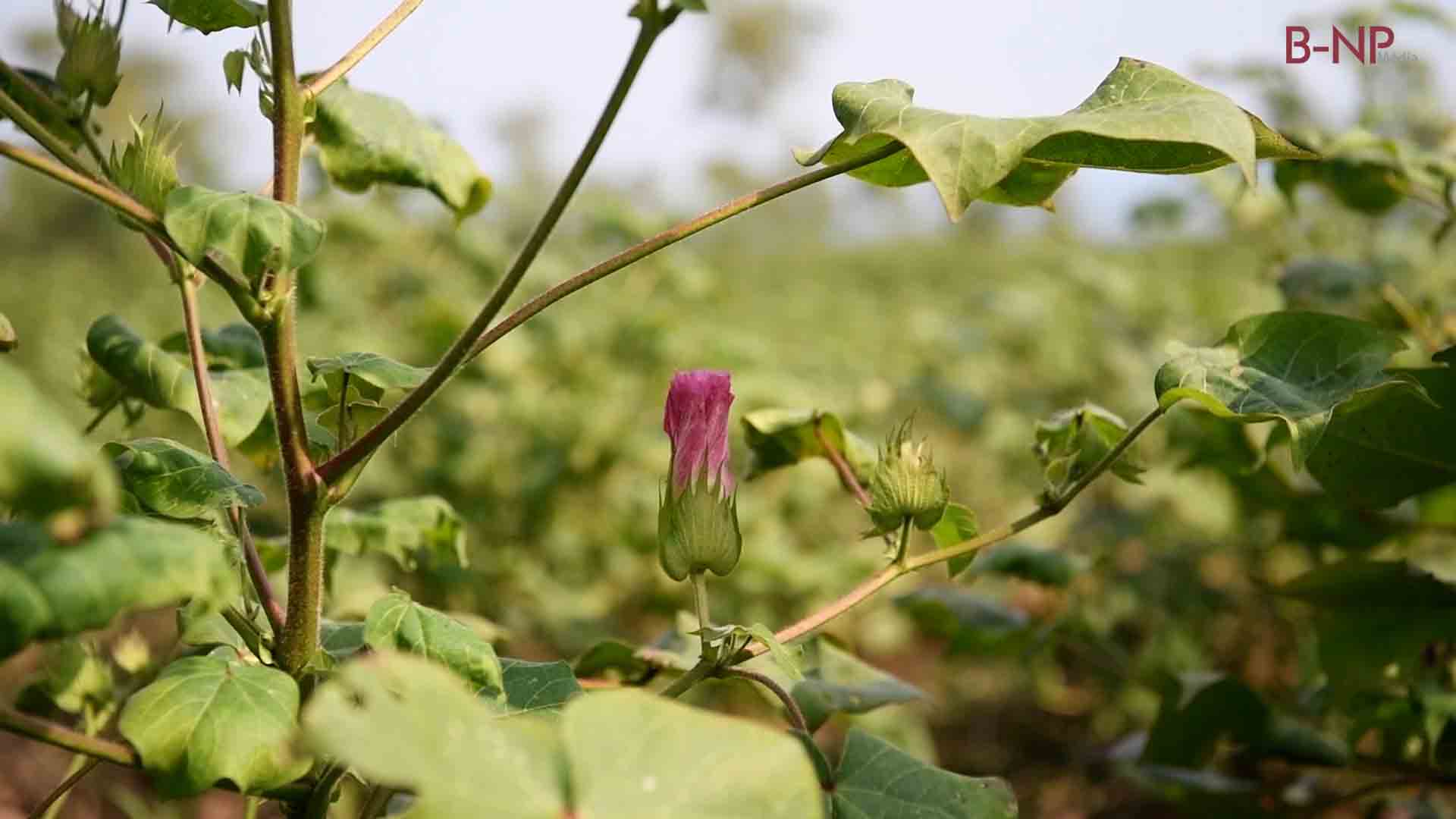
The burundian cotton is highly appreciated and coveted internationally. It can be one of the main sources of foreign currencies. However, due to several factors including the crises the country went through, its production has sharply fallen from 8,000 tons to less than 3,000 a year. The land which had been set aside for its cultivation also decreased from 10,000 hectares (in 1920), to 2,500 (today).
To solve the problem, the State of Burundi has embarked on a plan to give new life to the sector, aiming to meet the needs of local, regional and international textile manufacturers, by bolstering its production to 5,000 tons, within a time frame of 9 years. It plans to increase the land under cultivation of the crop to, at least, 12,000 hectares. This plan offers a profitable opportunity for textile manufacturers.
Since years, the large part of used textiles, in Burundi, is imported. In 2018, for instance, they were valued at more than 62 billion BIF (ISTEEBU). Then, installing companies specialized in cotton cultivation and processing in the Special Economic Zone (ZES Burundi) will help to increase the cotton production and reverse the trend.
The flow market is large. EAC countries don’t have enough cotton to run their factories which are operating at a meagre 35-40 % of their capacity. In 2017, imports by the garment industry in the bloc totaled 282 million dollars. It is 3 times the amount of total exports recorded within the same period.
As those countries are planning to phase out all imports of second-hand clothing to strengthen their textile industry, this constitutes a rewarding opportunity for the business operators registered in ZES Burundi, Burundi being member of East african community.
Fertilizers: demand far lower than supply
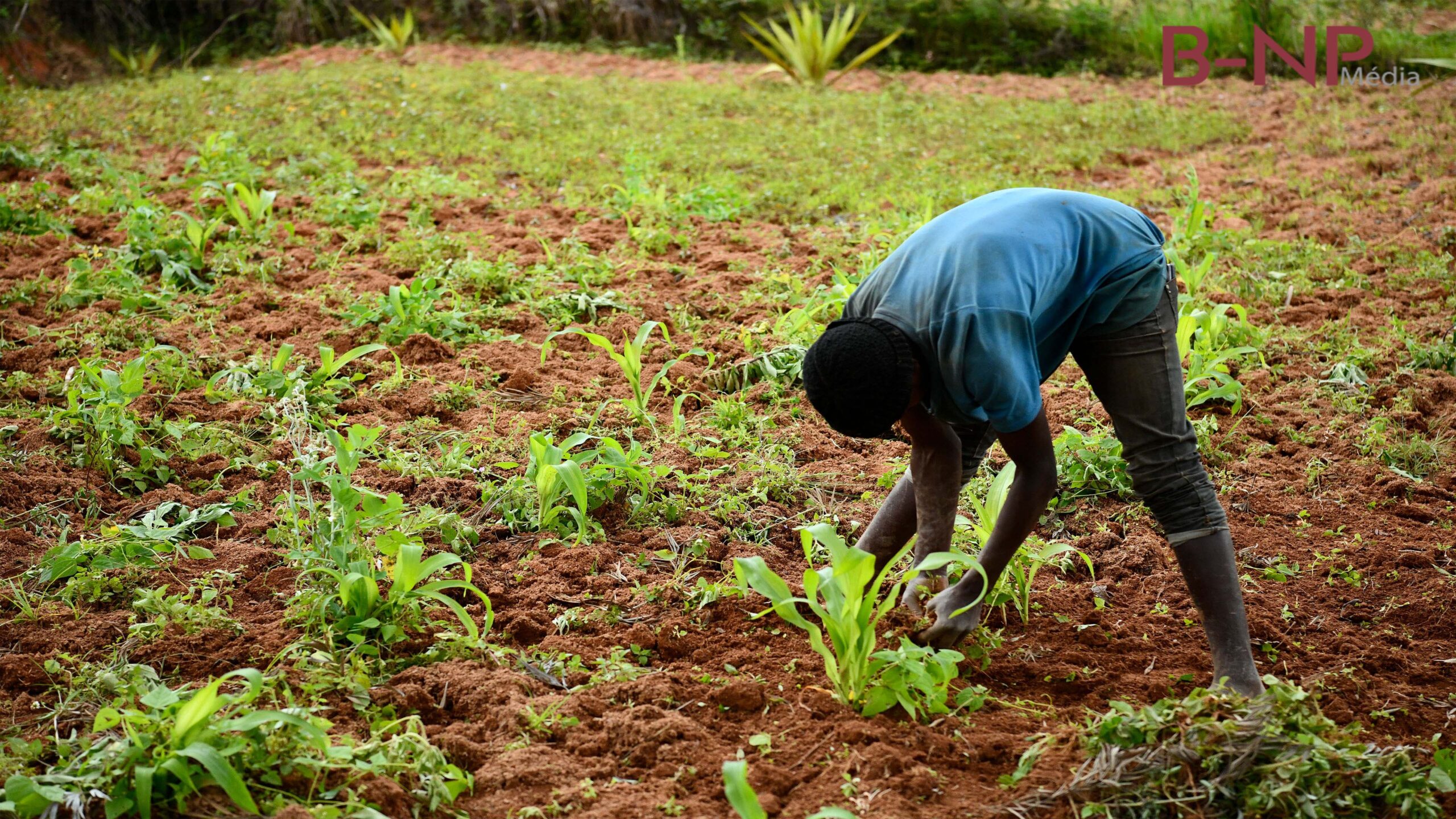
A survey carried out in 2018 shows that, for the 2018C season, chemical fertilizers were scarce in 58 % of communes. They were available in medium quantity in only 11 % of communes, and insufficient in 31 % of communes.
- Scarce: 58 %
- Medium : 5 %
- Sufficient : 6 %
- Insufficient : 31 %
Generally, only 40.7 % of agricultural households in Burundi use chemical fertilizers. FOMI, the only organo-mineral fertilizer and agricultural lime plant based in the country, is not meeting the demand. In the 4th quarter of 2020, imports of mineral or chemical phosphate fertilizers amount to BIF 11,262.7 million.
One solution would be to set up other fertilizer production factories in the Zone Economique Speciale (ZES Burundi). And in addition to Burundi market, the units would also supply the East African Community (EAC), a bloc with over 244 million inhabitants.
Burundi’s area is 27,834 km 2 including 2,700 km2 of lakes and 23,500 of potential agricultural land. The average population density is estimated at 423.06 inhabitants/km2 (2017) with peaks exceeding 700 inhabitants in some localities. The agricultural households add up to 1,740,546.
Finally, the burundian agriculture sector is the main provider of employment (84 % of the population) and provides 95 % of food supply.
Skins and leather
Burundi needs to considerably increase its livestock populations to satisfy local, regional and international leather industry requirements.
AFRITAN and SINOBU, two local raw hides (raw material) processing industries are having difficulty obtaining supplies. For example, the installed capacity of AFRITAN plant is 15 tons a day. But now, its average production is estimated at only 2.5 tons a day. It only runs at about 20 % of its maximum output.
That’s why Burundi still depends on imports in this sector. In 2017, the imported skins and leathers articles are estimated at BIF 6,779.3 million. In 2018, they add up to BIF 6,123 million. As for live animals and animal products, in 2018, the imports were valued at BIF 11,686.4 million.
This offers a triple business opportunity:
- the cattle and small ruminants herd multiplication is urgent to feed the slaughterhouses
- In this case, leather industries will find a supply market to balance the operating scale;
Here, there are opportunities in leather footwear, leather garment, accessory and components for leather products (Molds, Lasts, Sole, Shoe Box, Cutting dyes, Insoles, Shanks, …), leather glove and other goods (bags, wallets, belts, saddlery, cases and containers, jewelry beauty boxes, purses,…), leather upholstery (High quality sofa, chairs and vehicles seats, …), upper leather, intermediate products, leather sole, etc.
- By increasing the livestock populations, we would also have responded to the request of countries that need meat from Burundi. For instance, Gabon wants a monthly supply of 120,000 tons.
Sugar
With only one sugar manufacturing plant (SOSUMO), Burundi remains dependent on sugar imports. In 2019, US $ 30.1 million was spent in import of that commodity. Another example: In 2017, it have imported 3,038.100 tons of sugar in order to complete the annual production and meet the national demand.
The establishment of a sugarcane plantation and sugar manufacturing plant in this country shall benefit from that local market, with a possibility to export to other East African Community member countries.
That’s not all. The government is planning to open SOSUMO share capital to private investors, both national and international, to carry out its factory extension and rehabilitation project. 105 billion BIF are needed!
Normally, the government intends to increase SOSUMO plant’s capacity: In the first phase, from 22,000 to 35,000 tons, and, in the second, from 35,000 to 40,000 tons, etc.
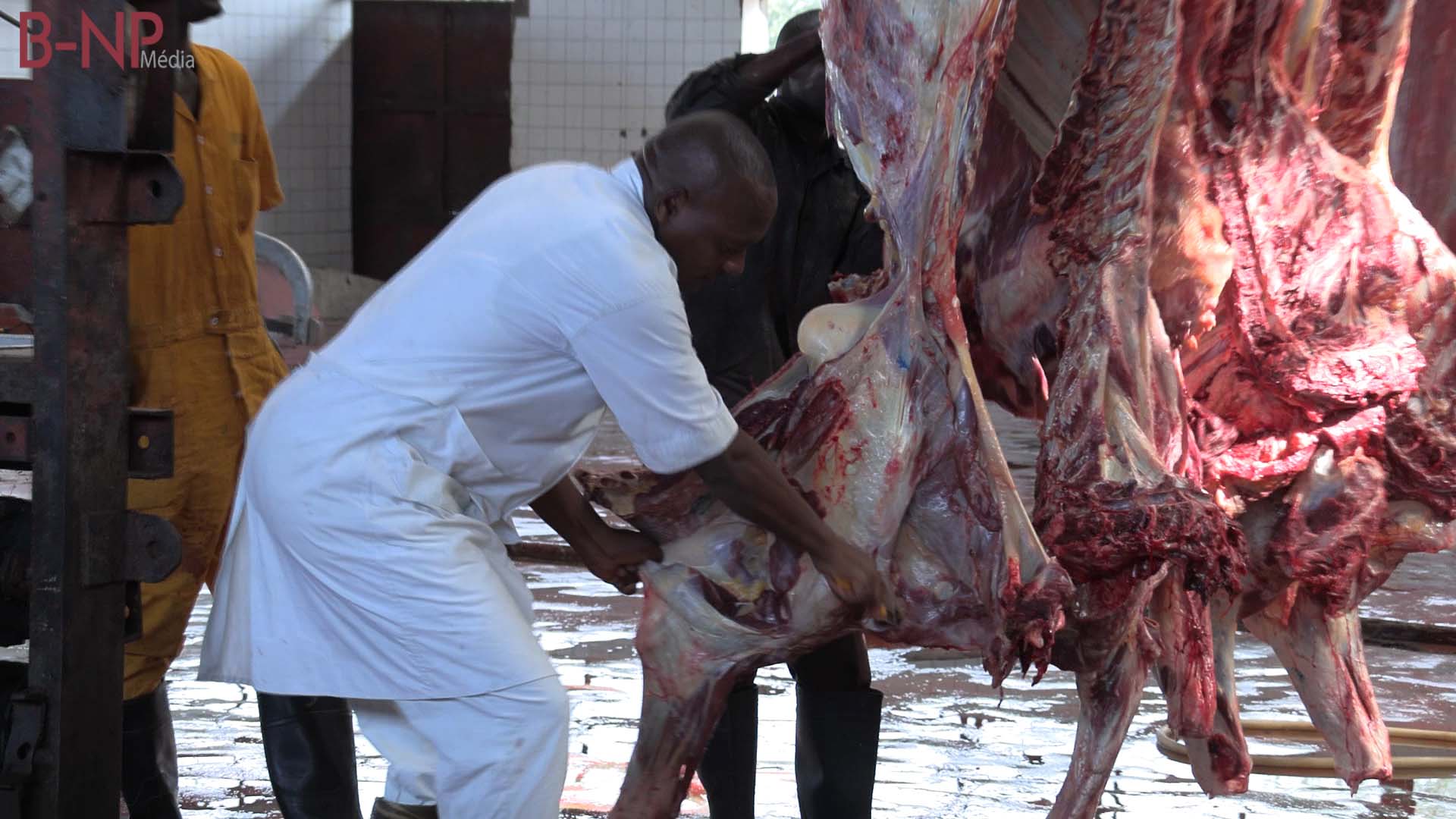
Need of modern abattoir and investments in the meat sector
In Burundi, the needs estimate of meat is increasing. A study carried out by the burundian ministry of finance shows that, in 2021, the meat needs are estimated at 532,333,828 kg, 548,303,867 kg in 2022, and 564,752,958 kg in 2023.
To the same degree, countries demand of meat from Burundi is becoming greater. For instance, Gabon needs, at least, 120 tons a month. That’s not all. According to FAO projections, the market demand for livestock products in sub-Saharan region, where Burundi belongs to, is also rapidly increasing between 2000 and 2030: Beef (113 %), mutton (137 %), pork (137 %) and poultry (170 %). To this can be added Europe, Middle East and USA demand.
In order that Burundi can easily access to such markets, it must largely invest in the meat sector and abattoirs that meet international standards. Up to the present time, slaughtering in this country is done manually. They use traditional methods. Investors can install modern slaughterhouses in ZES Burundi. They can also invest livestock multiplying.
In 2016, the number of cattle in Burundi was only 689,441. The goats numbered 2,348,309 and the sheep added up to 425,638.
With African Free Trade Agreement which already came into effect, Burundi has many possibilities to attract international investors and support strong national business growth.
Seeds
In Burundi, the use of selected seeds shows low rates.
Examples. During the 2014 – 2015 campaign (growing season), only 5.2 % of farm households had improved seeds, on a national level. During the 2016 – 2017 B growing season, they were only 2.6 %. In 2018, growing season B, only 10 % of farm households had improved seeds.
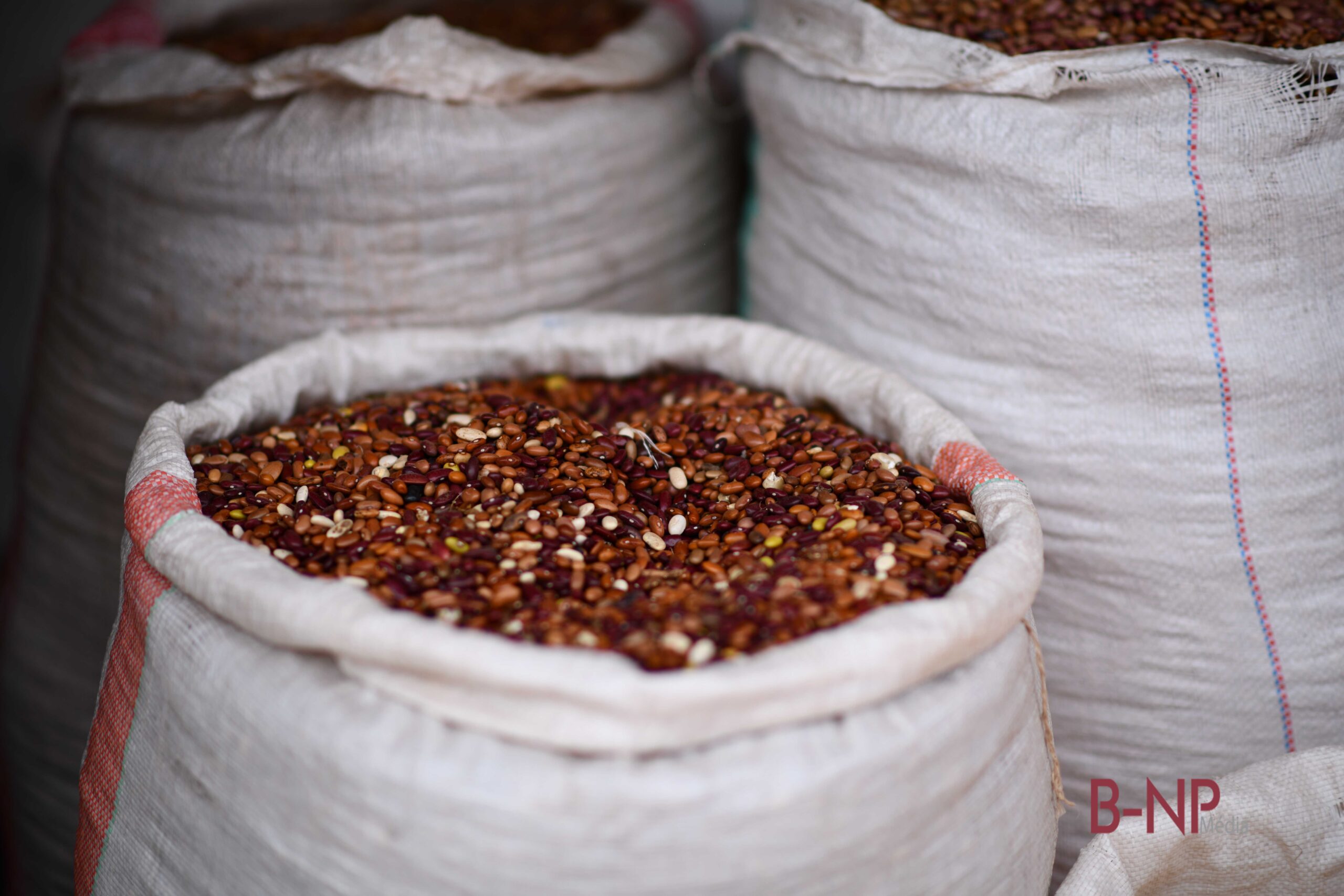
The burundian population is of almost 12 million. So, it is clear that seeds requests are high. The Institute of Agronomic Sciences of Burundi (ISABU) cannot meet customers demand. That’s why the country needs devoted seed centres to produce standard and commercial seeds. And installing them in the Zone Economique Spéciale Burundi (ZES Burundi) – which offers a wide range of investments incentives – could be much more advantageous for Burundi and the region.
 English
  French