
About Burundi
Burundi is Strategically located on the North end of Lake Tanganyika, the World’s Longest Lake (676 KMs) holding 16% of the Worlds Fresh Water (190 Billion litres). Burundi is Member of the East African Community and a part of the African Free Trade Area. Bordering on the Democratic Republic of Congo it has access to a Very Large and Rapidly Growing Consumer Market of nearly 50 million people accessible by road, lake and air. This market has a Purchasing Power of US$1-2 Billion in basic fast-moving goods and Another US$1.5 Billion in consumer durables.
Burundi has a total area of about 27,834 square kilometres and a Population of 11.6 Million, of which 50.7% are women. Burundi is one of the most densely populated countries in the African Trade Region.
Burundi’s Highlands produce relatively cool temperatures, which average only about 21 °C throughout the year and usually drops below 15 °C at night. At a lower altitude, the annual average is only slightly higher. Annual precipitation, which averages 1,500 to 1,800 mm in the highest-lying areas, is only about 1,000 mm on the shores. Rain is irregular, falling most heavily in the northwest. Dry seasons vary in length. There are four seasons; the long dry season (June–August), the short wet season (September–November), the short dry season (December–January), and the long wet season (February–May).
Burundi’s official languages are Kirundi a Bantu language that is the standard medium of communication throughout the country, French and English. Swahili is also spoken in areas close to the Lake and border of Congo.
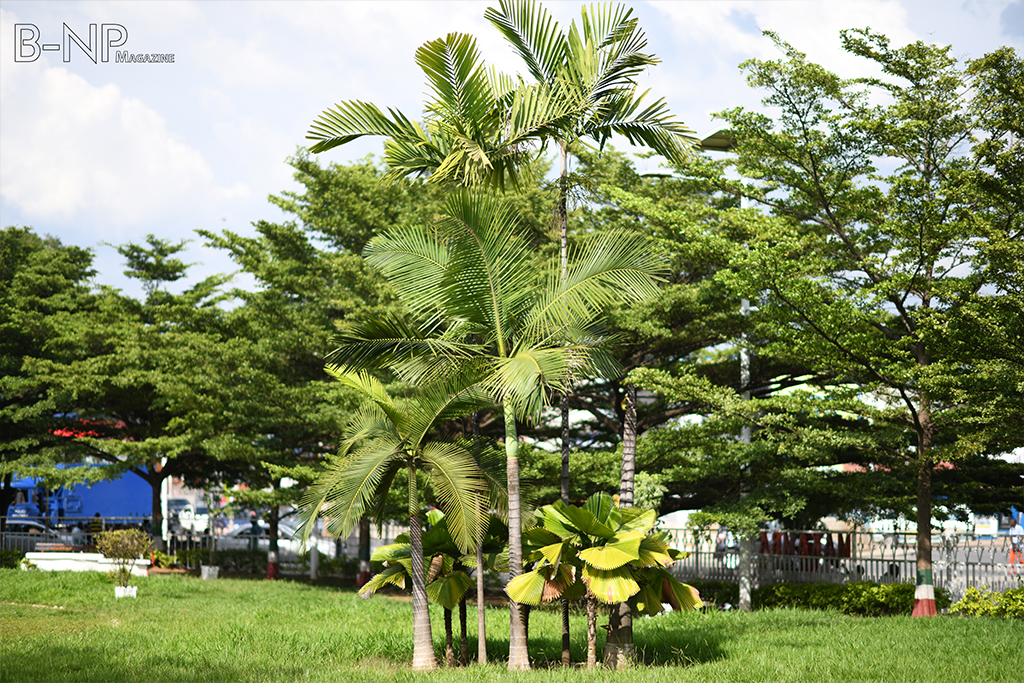
Burundi’s Economic capital, Bujumbura, lies at the north-eastern end of Lake Tanganyika. The Old section of the city comprises buildings from the German and Belgian colonial periods and a central market filled with hundreds of vendors’ booths. Burundi’s Second City, Gitega, is also its political capital. Gitega lies near the southernmost source of the Nile River and a spectacular waterfall, Chutes de la Kagera.
Burundian Museums Celebrate Heritage include the National Museum in Gitega and the Living Museum in Bujumbura, with botanical gardens and animal exhibits. Throughout history, Burundians have enjoyed a tradition of expression in the visual arts with decorated papyrus panels, which feature geometric patterns and illustration of Burundian legend. They are Prized by Collectors of Art, as are Burundian-made Swords and Drums. Ceramics, Basketry and Beadwork have also been a form of Artistic Expression.
 English
  French