
Burundi’s Economy
An Economic Growth took place in 2019 (3.4% GDP growth), driven by an increase in coffee exports, a slight increase in public investment, and good overall agricultural production during the year. The budget deficit widened slightly (4.2% for 2019 against 3.3% in 2018), mainly due to an increase in current expenditure requirements. Tax collection has been challenging. In terms of Inflation, the decline that began in 2018 (16.1% in 2017) continued in 2019 with a rate of -3.1% (food prices dropping by almost 11%). The country’s external position remains fragile. Due to low volumes of exports and very low performance by the manufacturing sector. The external current account deficit narrowed slightly to 10% in 2019.
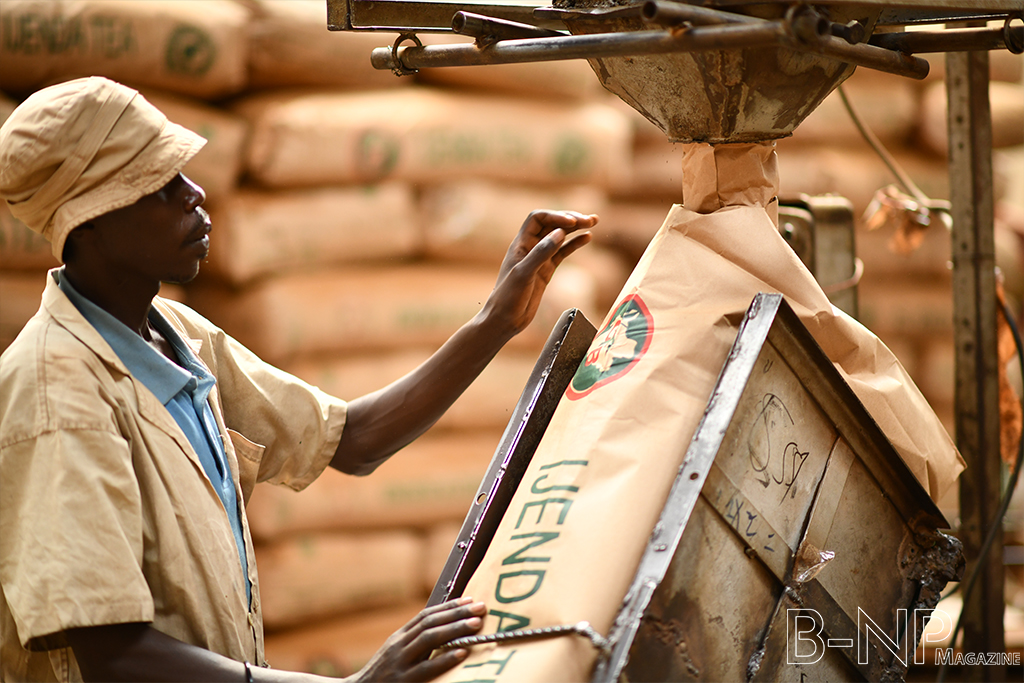
The Agricultural sector accounted for 40.7% of GDP in 2018, and Employing about 80% of the Workforce, but faces significant agronomic, technological and institutional challenges. The development of energy infrastructure is inadequate, with poor access to energy (1.2% in rural areas and 58.5% in urban areas in 2016). Various Initiatives are Underway to Modernise and Diversify Agricultural Production, build Power Stations and Strengthening the Transport Network of Roads, Development of Railroads and the Rehabilitating the Port of Bujumbura.
 English
  French