
TRANSPORT AND PUBLIC INFRASTRUCTURE
Transport through lake Tanganyika
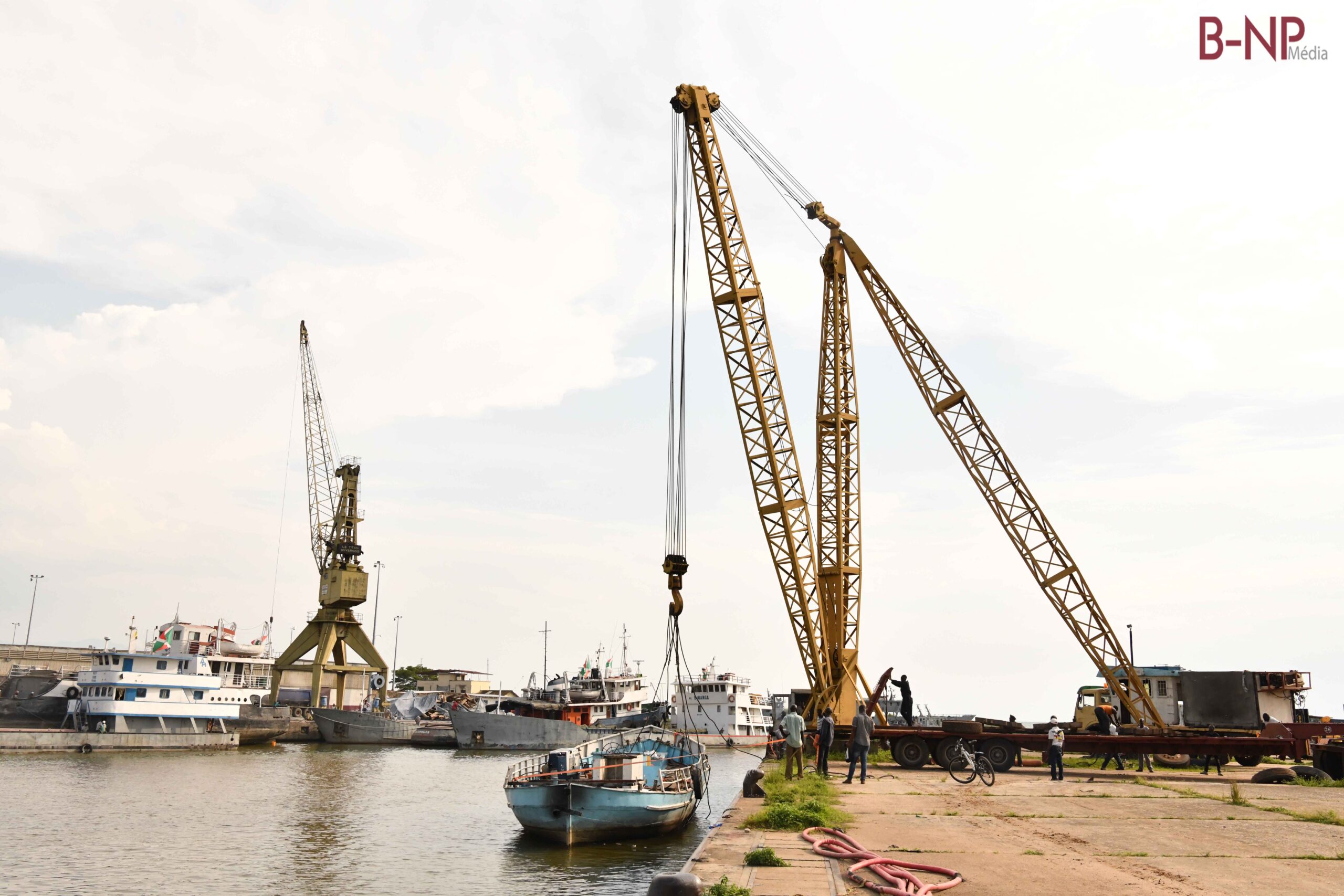
On Burundi side, Tanganyika is not sufficiently exploited despite its potential and advantages. 90 % of goods imports arrive by road, a less secure means of transport.
Investing in lake transport is a safe solution. Experts have proven that the cost of goods transport can be halved when using the lake route. That’s why two mega projects are to be launched on the Bujumbura port, located on Tanganyika. The first, 50 billion BIF, is a part of regional package aimed at rehabilitating and modernizing different port facilities to improve regional connectivity. The second is about starting a boat building and repair workshop for US $ 25 million.
The share of private investors remains paramount. Look; About 55 ships dock Bujumbura port, of which 15 belong to the burundian flag. However, they are very old. The average age of burundian ships is estimated at 45 years, with a gap of 71 years between the oldest and the most recent ones. Moreover, the three mixed vessels capable of carrying both general cargo and containers have a deadweight ranging only from 320 to 1350 tons. A capacity not exceeding ten containers per vessel. There is an urgent need for new and large capacity vessels.
With an annual capacity of around 500,000 tons, Bujumbura port is located in northern lake Tanganyika. It is at the confluence of three corridors: northern corridor (Mombasa), central corridor (Dar-Es-Salaam) and southern one (Mpulungu-Zambia).
Why choose lake to roads?
The main challenges with road transportation include the long leads (nearly 1,500 km) from the largest international gateway ports such as Dar-es-Salaam and Mombasa. Furthermore, road transportation is directly affected by transit countries’ Non-Tariff Barriers (NTBs), poor logistics, as well as burdensome cross-border, customs and other administrative procedures. All that constitutes a major constraint to growth.
Each year, 400,000 tons (equivalent of US $ 64 million) imported by Burundi pass through the port of Dar-Es-Salaam. As these quantities arrive largely by road, their transport cost becomes high.
Railway infrastructure
Burundi and Tanzania are seeking to raise US$1.9 billion for a railway connecting the two East african countries. The mega-project which has already been launched, on Tanzania side, could make possible for landlocked Burundi to boost its economy and mineral exports.
The railroad is part of a broader project – about US$ 7.6 billion – which will also link Tanzania to Burundi’s northern neighbor Rwanda.
On its side, Burundi must build a 190 kilometers line from Isaka (Tanzania) to Musongati, in Rutana province (eastern Burundi). It is to start fundraising soonest. That’s why it opened doors to private investors.
Joining Burundi with Tanzania’s Dar-es-Salaam port will be significantly helpful for the Great Lakes nation which is nickel-rich, as well as for its mining industry. The Burundi State is aiming a 47 % rise in mineral revenue up to 2027.
Road network: more works ahead
“If you want to prosper, first build roads”, says a chinese proverb. Burundi still have many roads to build. And it is convinced that large infrastructure gaps remain an obstacle to investment, growth and economic diversification.
As this country favors public-private partnership, a profitable opportunity is there. Look; 9.323 km is the linear of unpaved classified road network in the country. Among these, 428 km of National Roads, 2,995 km of Provincial Roads, 3,423 km of Classified Networks and 362 km of Urban Roads.
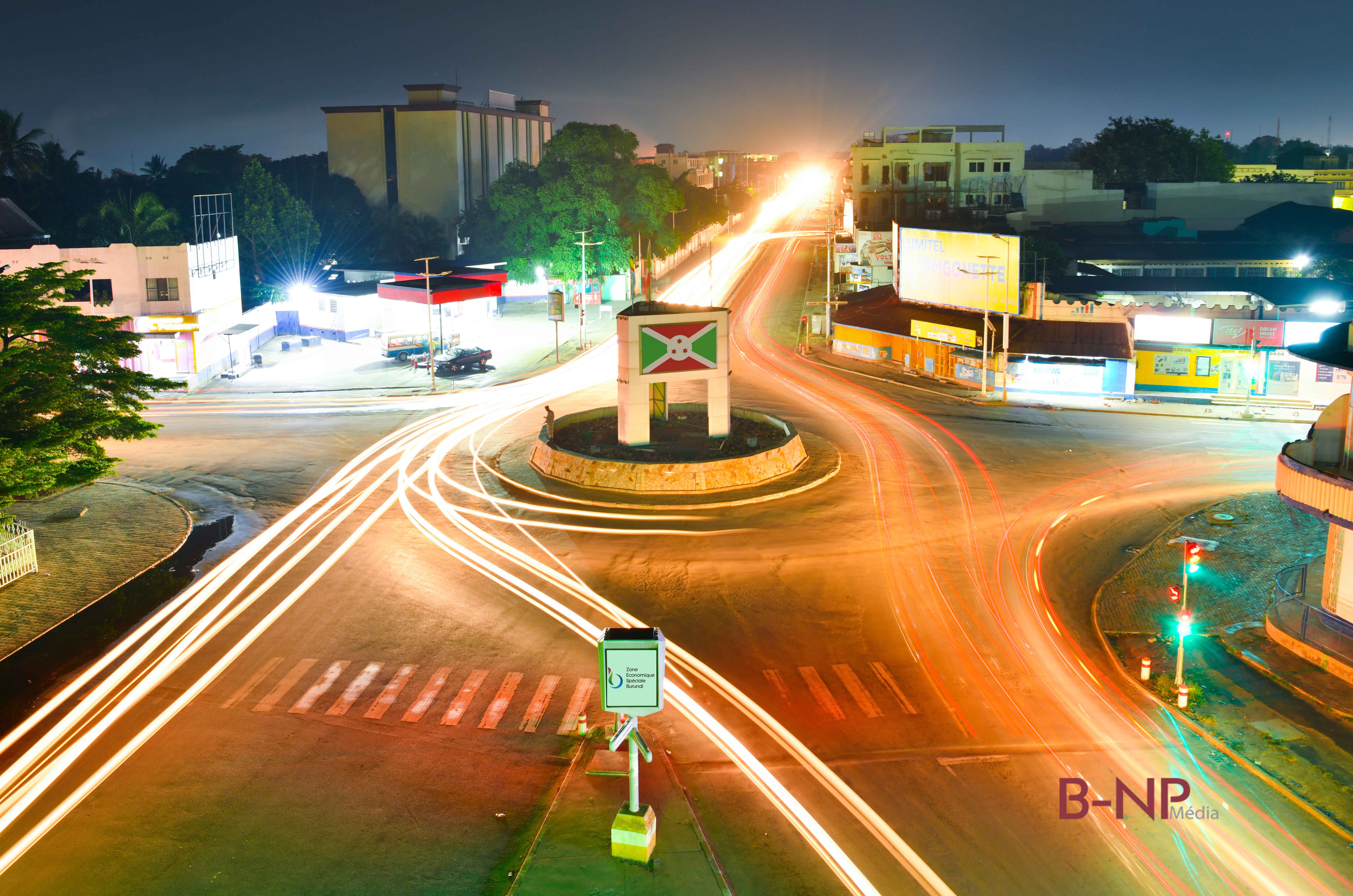
Business operators can invest in the roads building, traffic signs, signals and robots. They can also invest their money in the rehabilitation of poor condition roads. The fund in charge of this task has been seen on the rise, from BIF 8 billion to BIF 25 billion.
 English
  French